A Simple Pet Health Monitoring Routine That Sticks
Start With Your Pet’s Normal
Your pet’s usual habits are a more useful reference point than another animal’s. One dog may be eager for every meal, while another eats at a slower pace. Start by noticing your pet’s typical appetite, drinking, energy, sleep, bathroom habits, and behavior. A change matters in the context of what is normal for your pet.
Pick roughly the same time each day to jot down what you observe. An entry can be as short as “ate normally, playful, bathroom habits unchanged.” If something seems different, add a date and a few details. Keep the process brief enough that you’ll actually do it tomorrow, too. Tracking can support veterinary care, but it never replaces an exam or professional advice.
Choose a format you will keep using
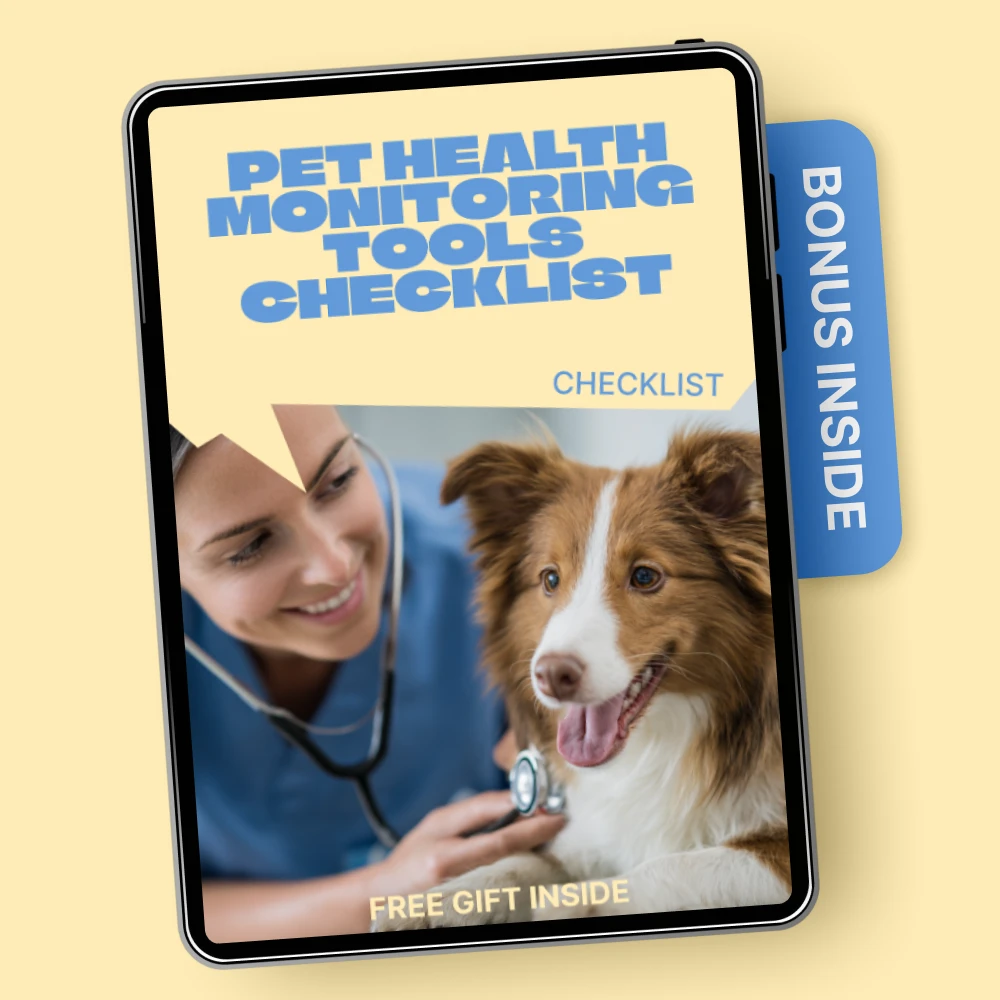
Our Pet Health Monitoring Tools Checklist is a digital download you can use to organize your observations. A paper note or phone note can also work. Choose whichever format makes it easiest for you and anyone sharing your pet’s care to record a date, a change, and a question.
If you weigh your pet, use a consistent method and record the date. An activity tracker may offer another view of movement, but its readings are not a diagnosis. Ask your veterinarian which measurements are useful for your pet rather than adding tools simply to collect more data.
Pet Health Monitoring Tools Checklist | Smart & Simple Tools for Monitoring Pet Health | Digital Download for Proactive Pet Care
View product
Make changes easier to explain
When something seems different, write down when it began, how often it happens, and what else you noticed. For example: “Left part of breakfast three mornings in a row; drinking as usual; less interested in evening walks.” That is more useful to share with your veterinarian than “seems off” alone.
Contact your veterinarian about persistent or concerning changes. If your pet has breathing difficulty, collapses, shows severe distress, or appears to have another emergency, seek prompt veterinary care instead of spending time completing a checklist.
Keep care decisions separate
“My pet seems off” is a reasonable reason to pay attention, but details make the conversation with your veterinarian more useful. Instead of leaving it there, you might write: “Since Tuesday, she has left part of breakfast three mornings in a row. She is drinking as usual, but she’s less interested in our evening walk.” That note says what changed, when it began, how often it happens, and what else you observed.
You don’t need to wait for a checklist score or device alert to share a persistent or concerning change. Contact your veterinarian and explain what you’re seeing. If you notice breathing difficulty, collapse, severe distress, or another apparent emergency, seek prompt veterinary attention rather than spending time tracking more details.
Make the Habit Easy to Maintain
Attach a one-minute check-in to something you already do, such as feeding time. Once a week, glance back over your entries and mark questions for the next veterinary visit—or call sooner if a pattern concerns you. If several people care for your pet, agree on simple terms such as “ate all,” “ate some,” and “skipped,” and ask everyone to include dates.
You can start with our checklist and adjust the routine as you learn what is useful for your pet. Your veterinarian can help you decide which changes to watch more closely and whether an additional tool would add value.
The 39″ Heavy Duty Wooden Dog Crate End Table with Double Doors & Wheels creates an enclosed dog travel space away from loose cargo in the car; it pairs with the featured product during the same trip.
Before choosing, compare the product details with your daily routine, available space, care needs, and preferred setup. The strongest option is usually the one that fits the intended use clearly and remains simple to clean, store, and check before repeat use.
FAQ
What is the best monitor to have as a pet?
There is no single best device for every pet. Start with a reliable observation routine, then ask your veterinarian whether a scale, activity tracker, or another tool would be useful for yours.
Is there a dog tracker that requires no monthly fee?
Some trackers advertise features without a subscription, while others charge for connectivity or advanced services. Review the specific device’s current terms before purchasing.
See if Pet Health Monitoring Tools Checklist | Smart & Simple Tools for Monitoring Pet Health | Digital Download for Proactive Pet Care fits your setup
View product



Leave a comment