20% off on product page · save $187.48
Are Tents 100% Waterproof? What Campers Should Know
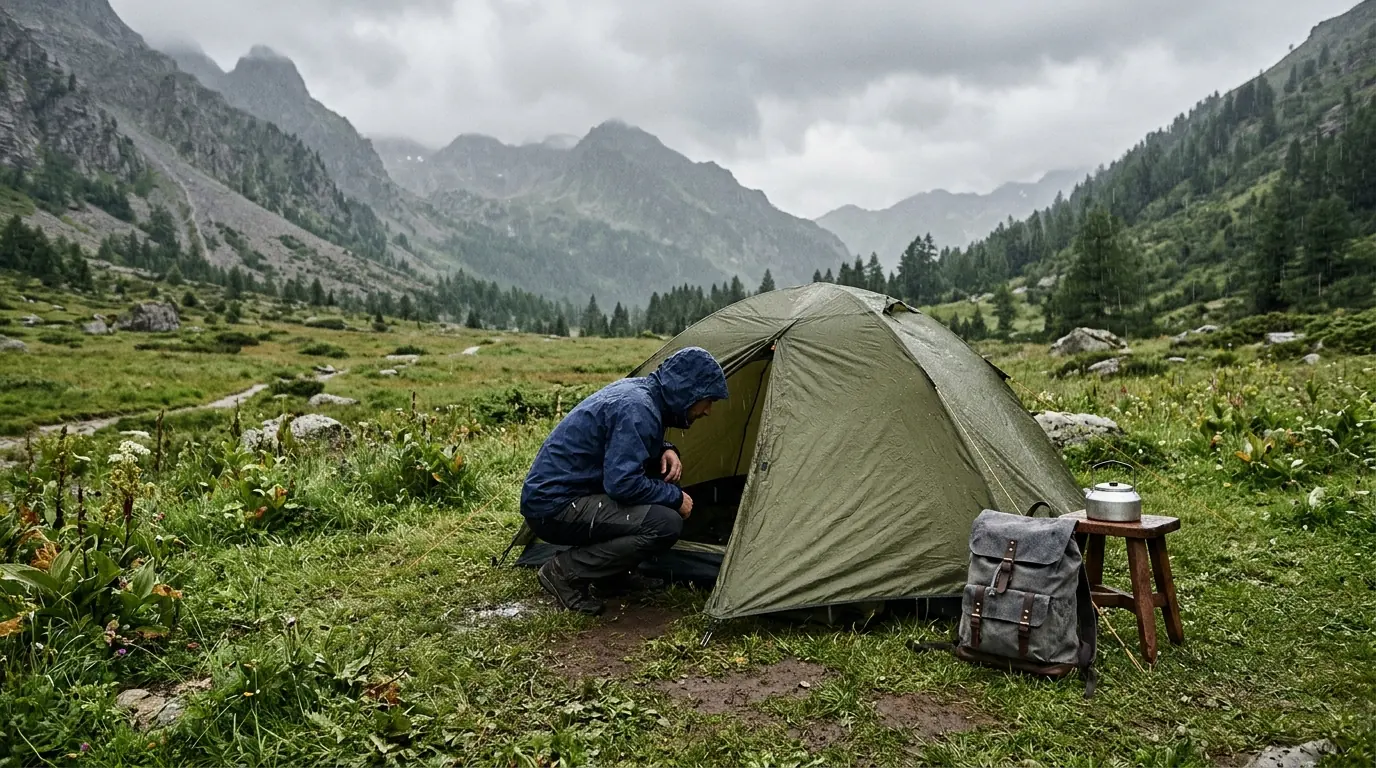
No tent should be assumed to be 100% waterproof in every situation: even a tent designed for rain can let water in through damaged fabric, poorly sealed seams, open vents, or an incorrectly pitched rainfly. Waterproof materials help resist rain, but wind, prolonged exposure, standing water, condensation, and wear all affect how dry you stay.
A waterproof tent generally uses fabric and construction intended to keep rain out, while a water-resistant tent may offer more limited protection during a shower. Our guide to the Spacious 6-8 Person Waterproof Camping Tent with Three Rooms features a tent described as waterproof, but you should not interpret that description as a guarantee against every leak or weather condition.
Featured in this guide
Spacious 6-8 Person Waterproof Camping Tent with Three Rooms
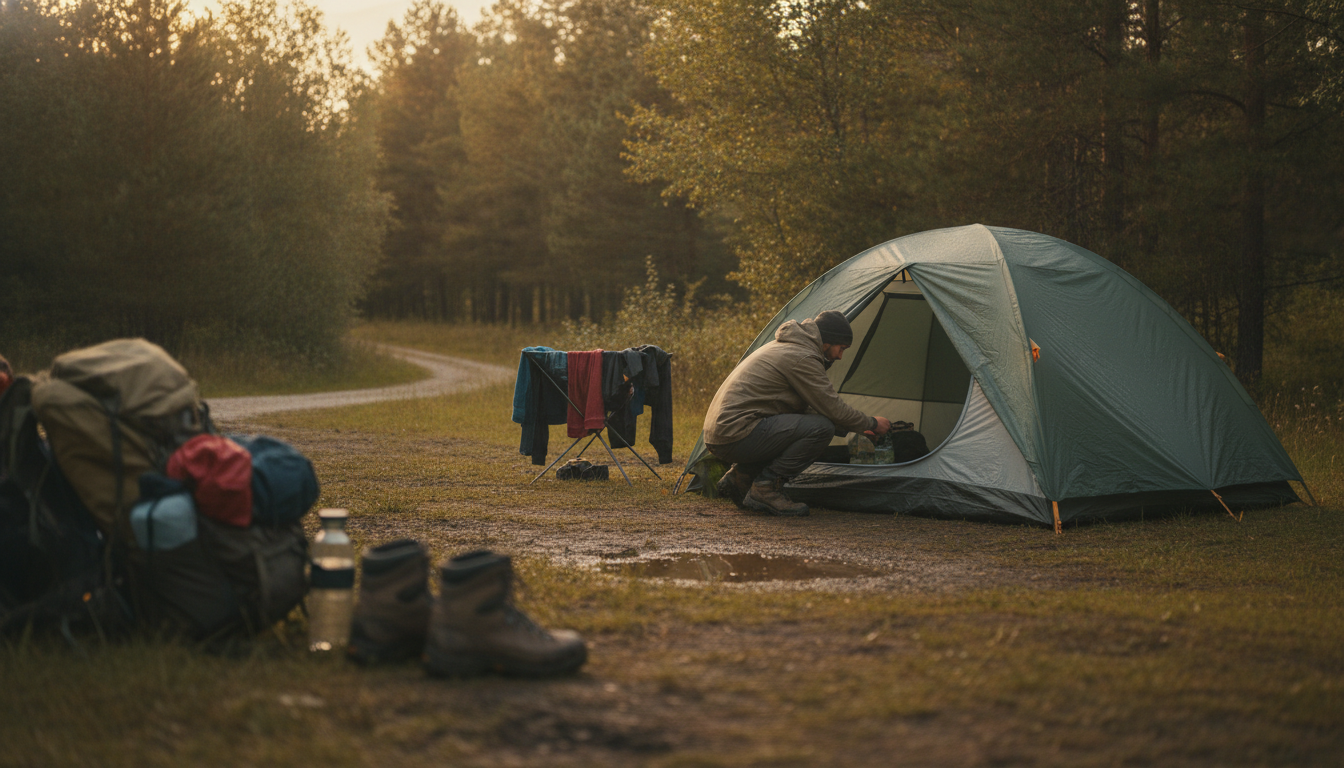
Pitch your tent on higher, well-drained ground rather than in a low spot where water can collect, and set up the rainfly and guylines according to the manufacturer’s instructions. If you use a groundsheet, keep its edges beneath the tent floor so it does not channel rain underneath, and close doors and windows before rain reaches the interior.
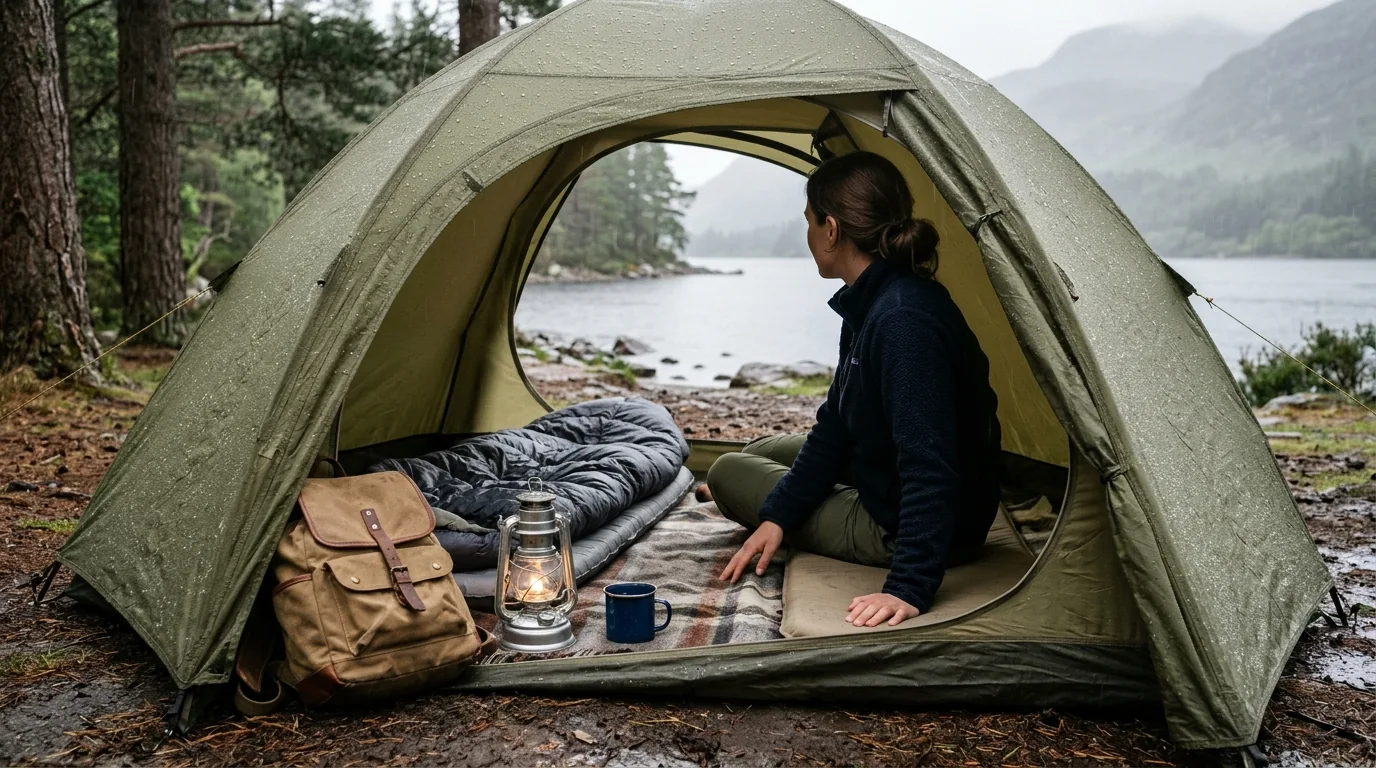
Before a trip, inspect the fabric, floor, seams, and rainfly for damage or worn coatings, and repair problems using products suitable for the tent’s materials. After camping, clean and dry the tent before storing it; during use, maintain appropriate ventilation because moisture on the inside may be condensation rather than rain leaking through the fabric.
Watch · product page video
“It’s lightweight yet sturdy – ideal combo for hiking trips! Plus the storage bag makes transportation super convenient.”
Admirela product page · Product review
Some tents are made with waterproof fabrics and sealed construction to keep out rain under normal use. However, no tent is immune to leaks caused by damage, setup errors, severe weather, or standing water.




Leave a comment